Join me for the Open House – Saturday April 4 from 2:00-4:00pm
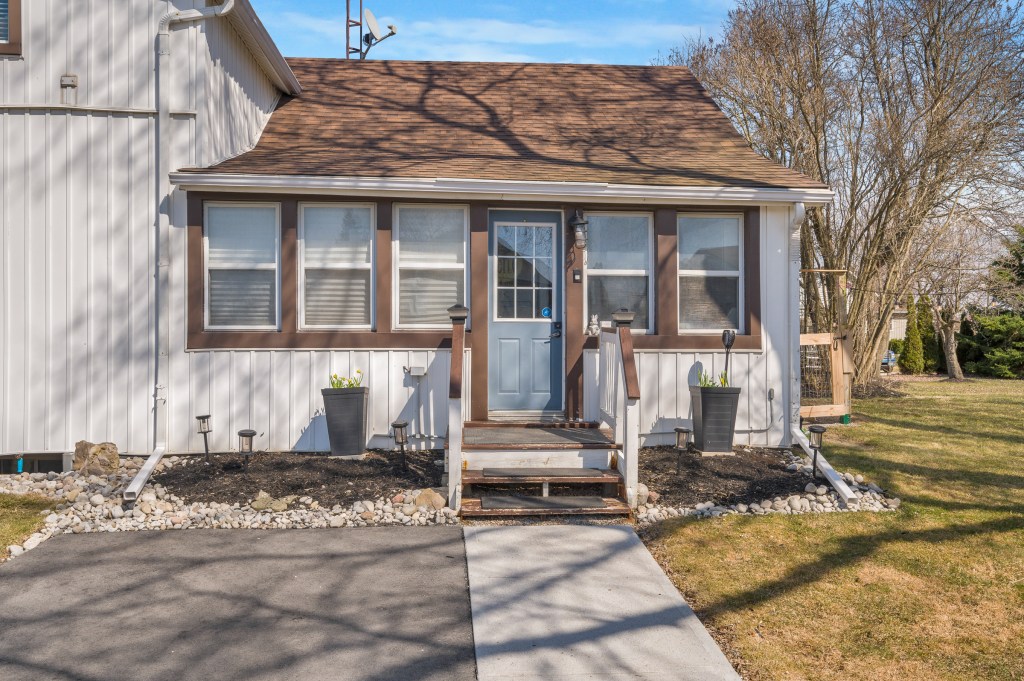
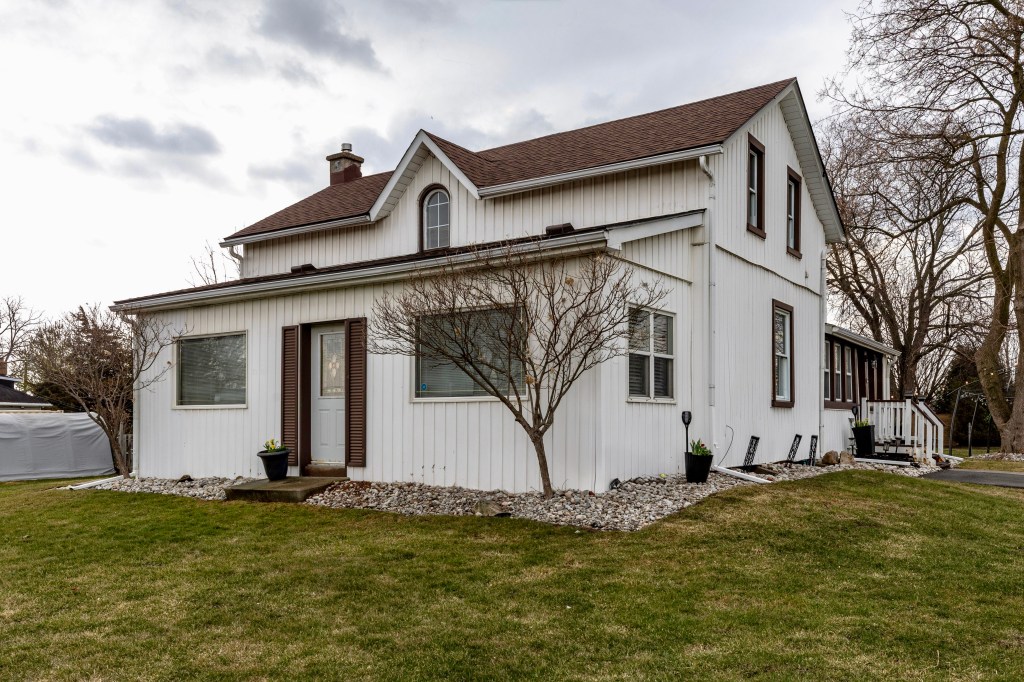
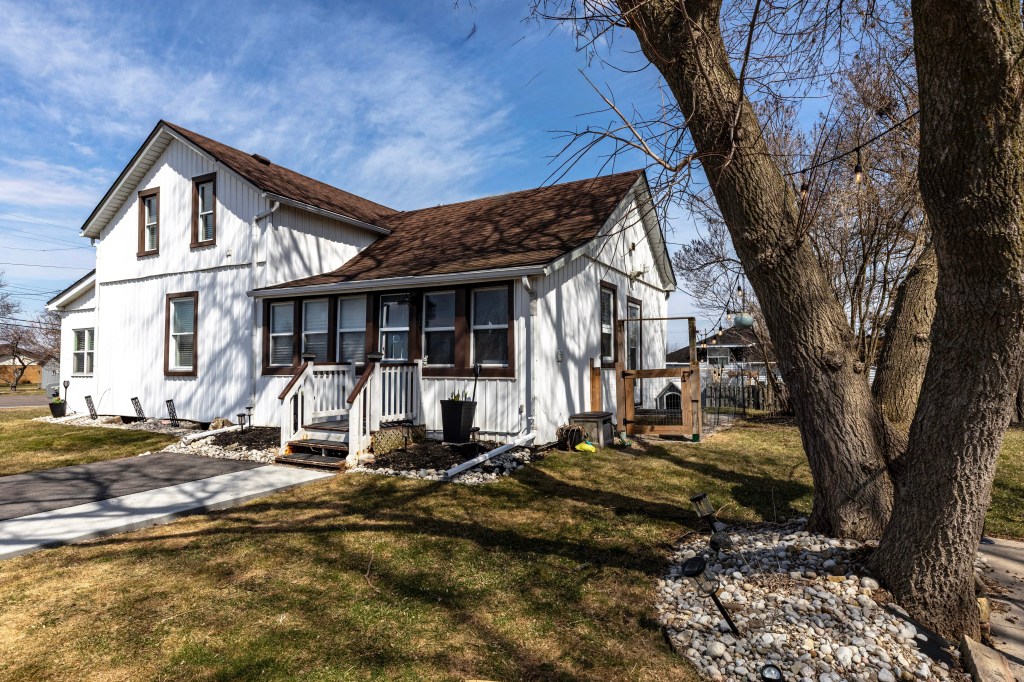
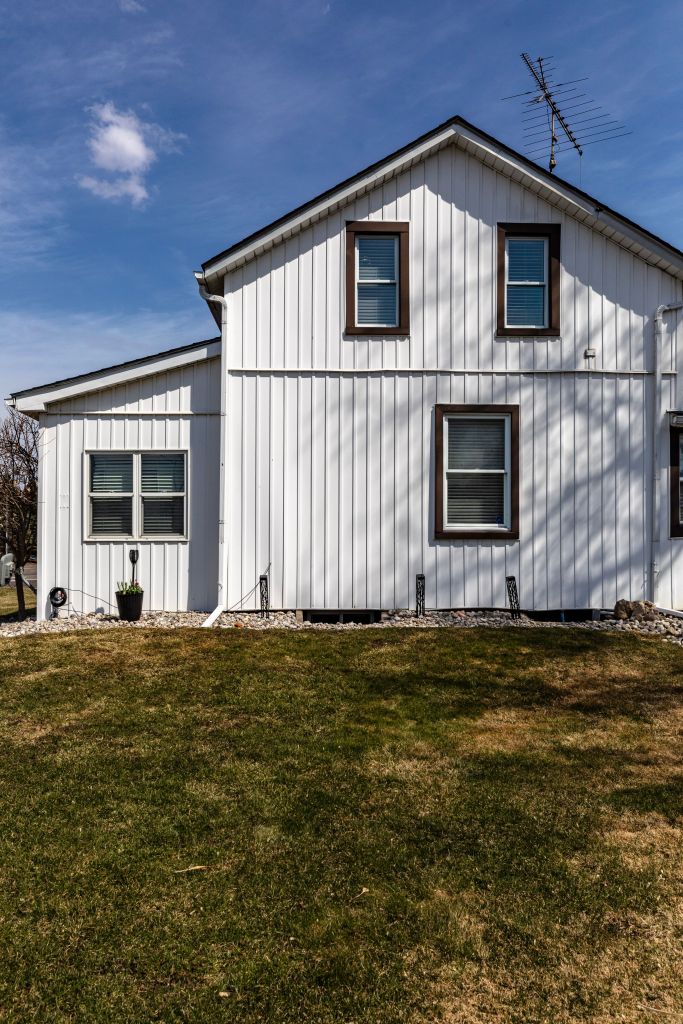
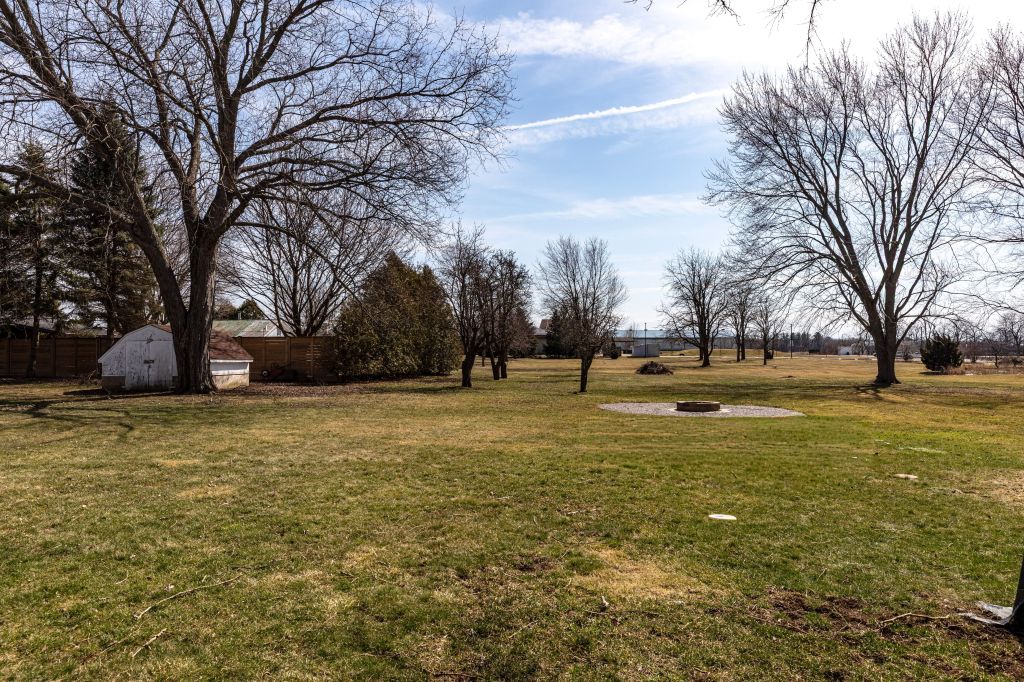
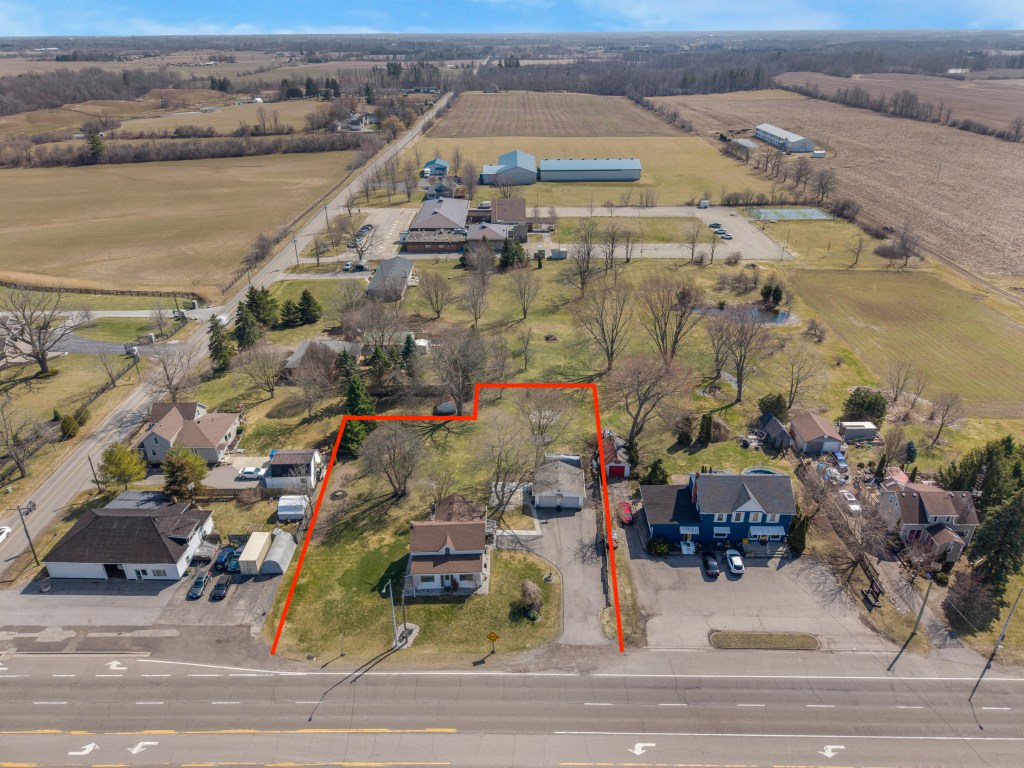
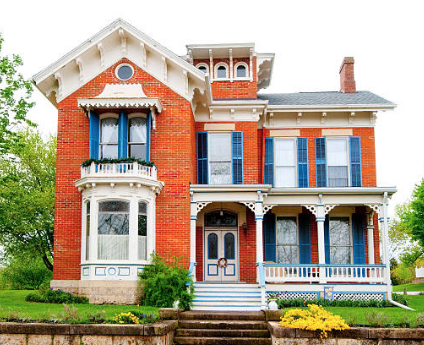
Discover the perfect blend of timeless charm and modern comfort in this stunning 3-bedroom home, set on a picturesque, park-like lot just minutes from the heart of Ancaster. Surrounded by peaceful farmland views, this property offers a rare balance of privacy, space, and convenience, with easy access to highways, shopping, and commuter routes.
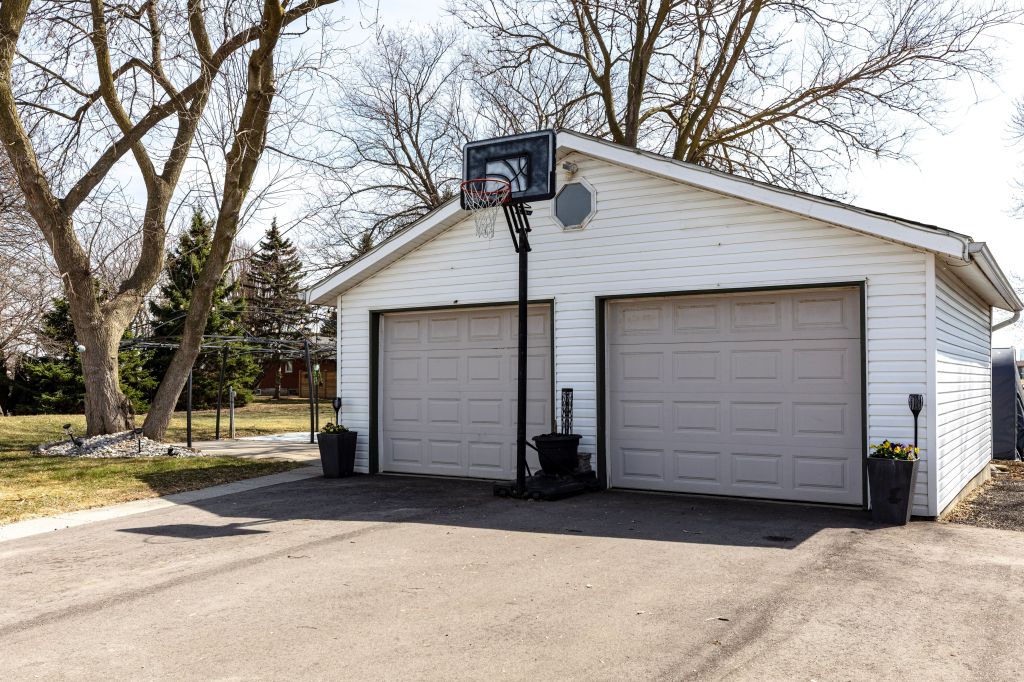
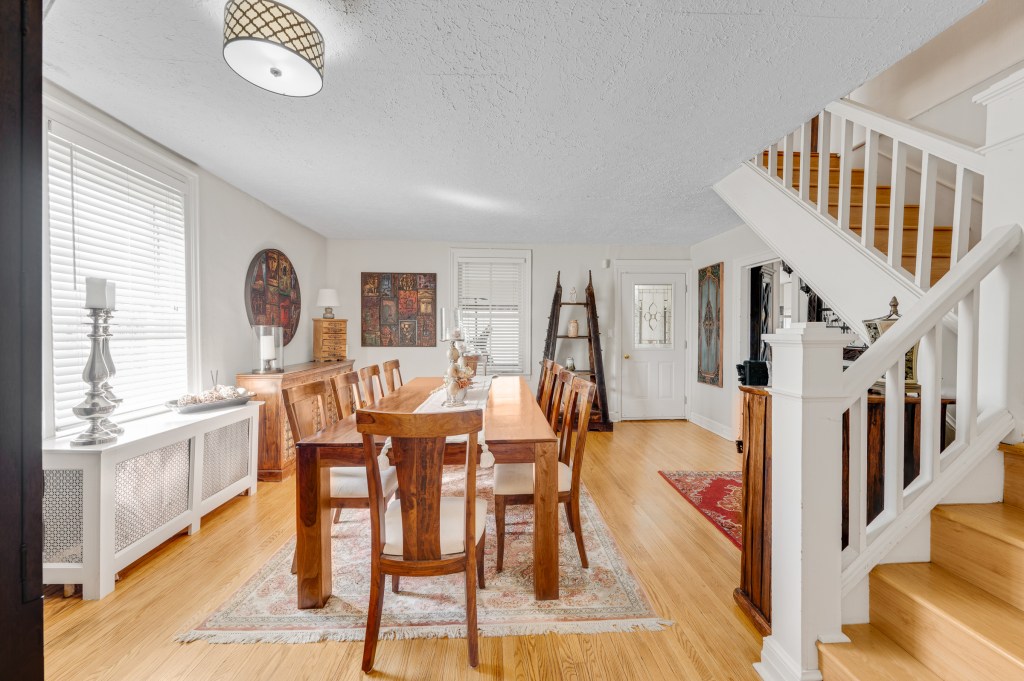
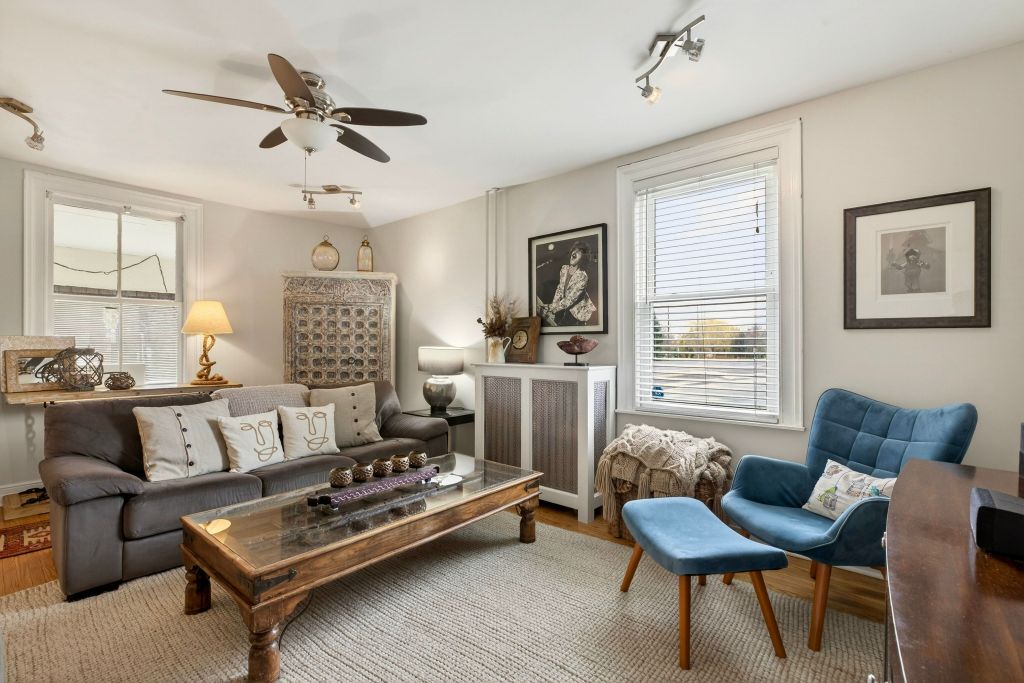
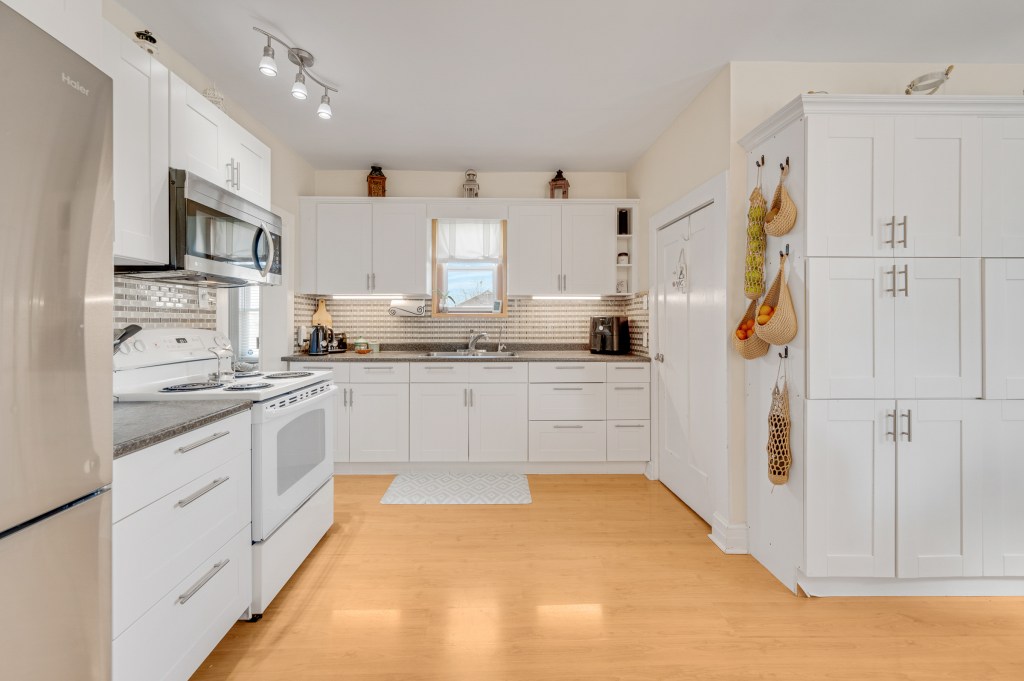
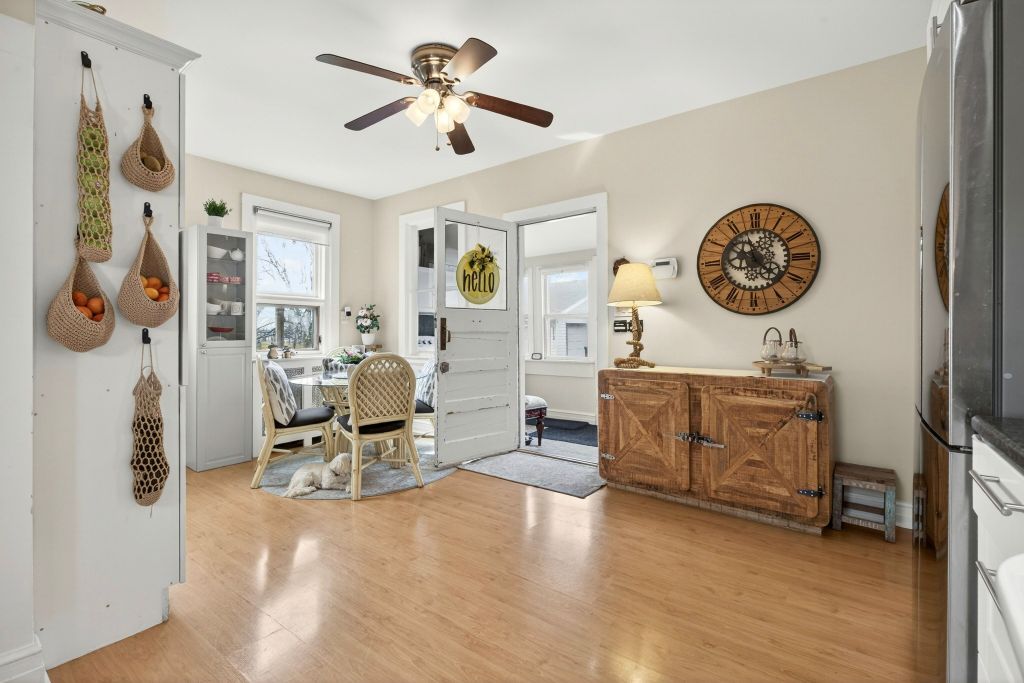
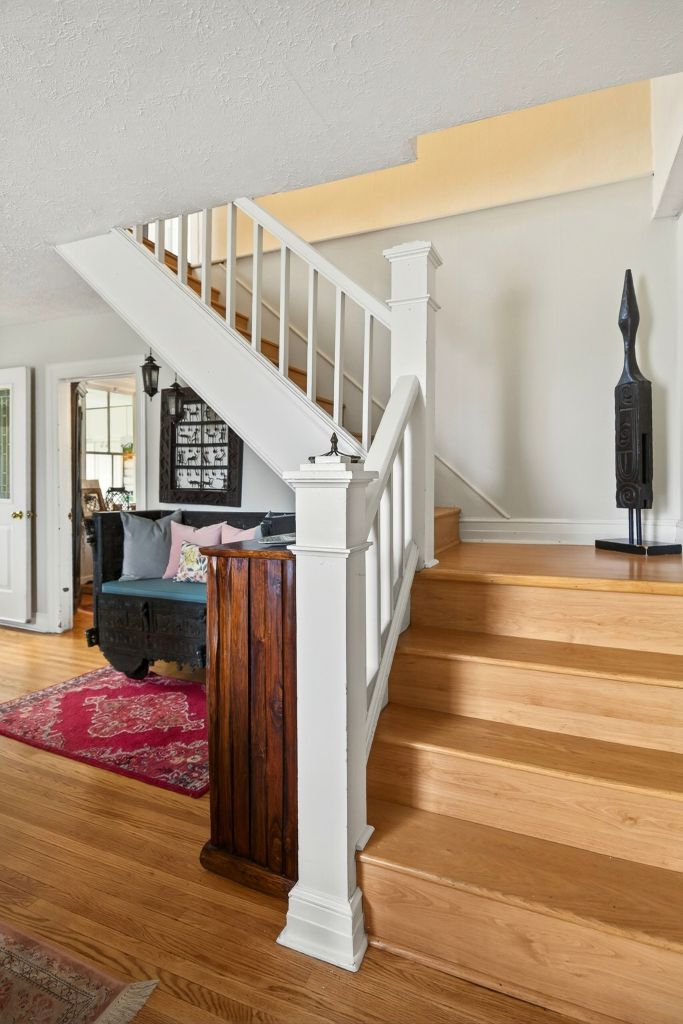
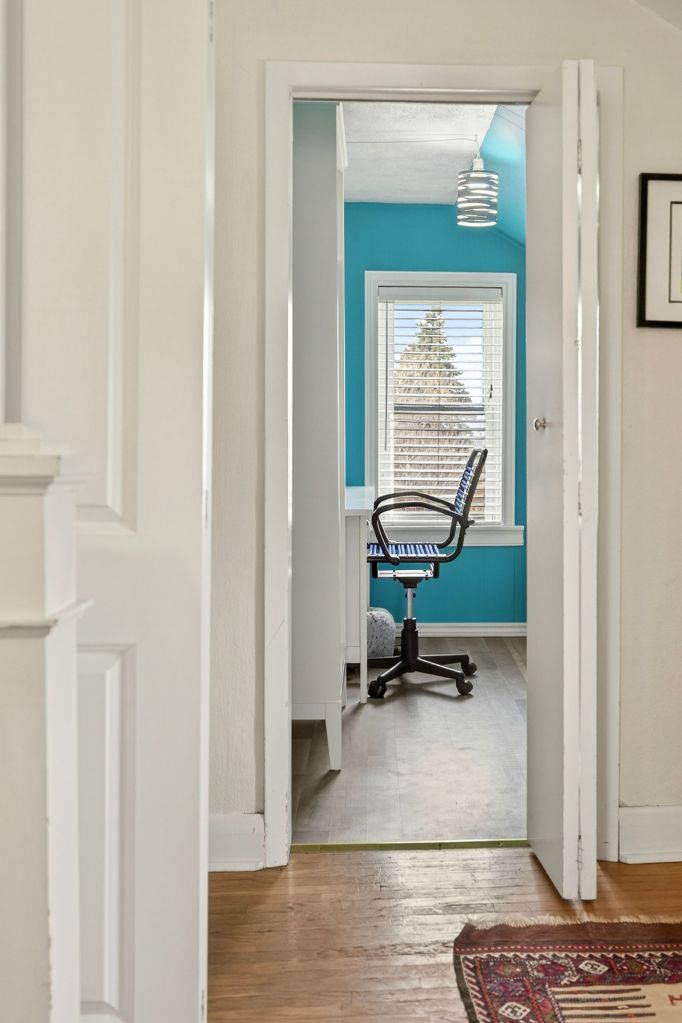
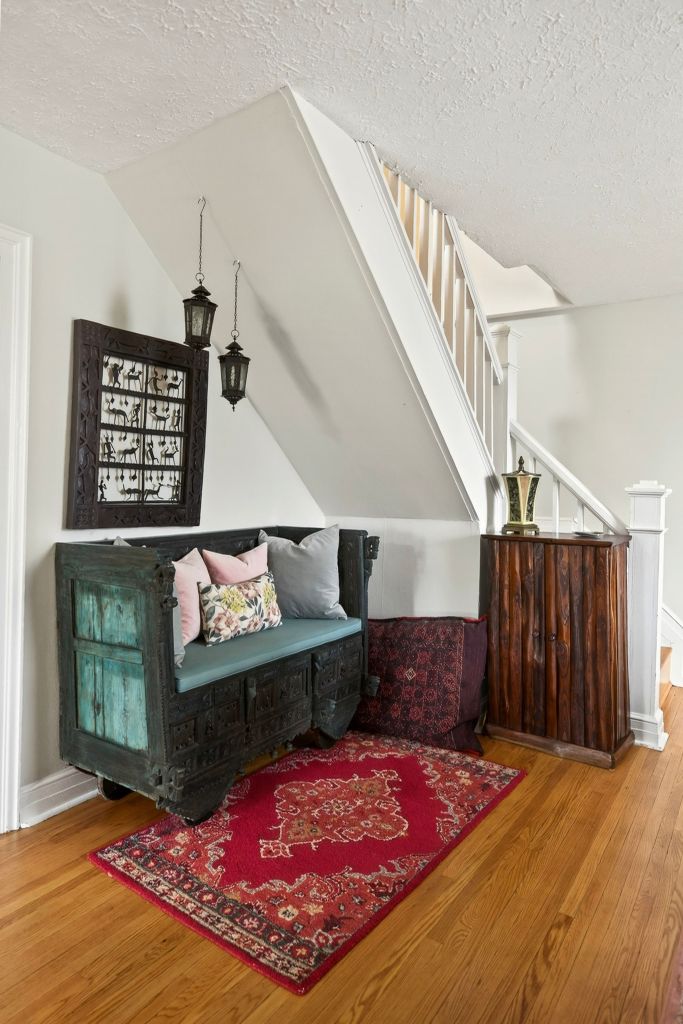
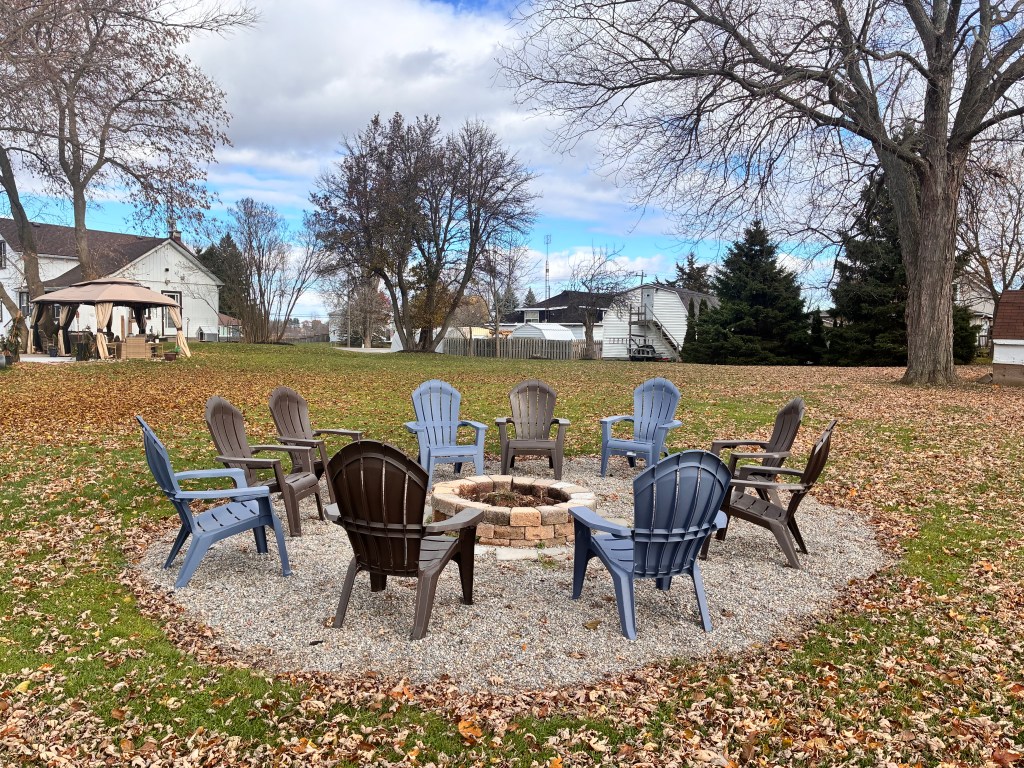
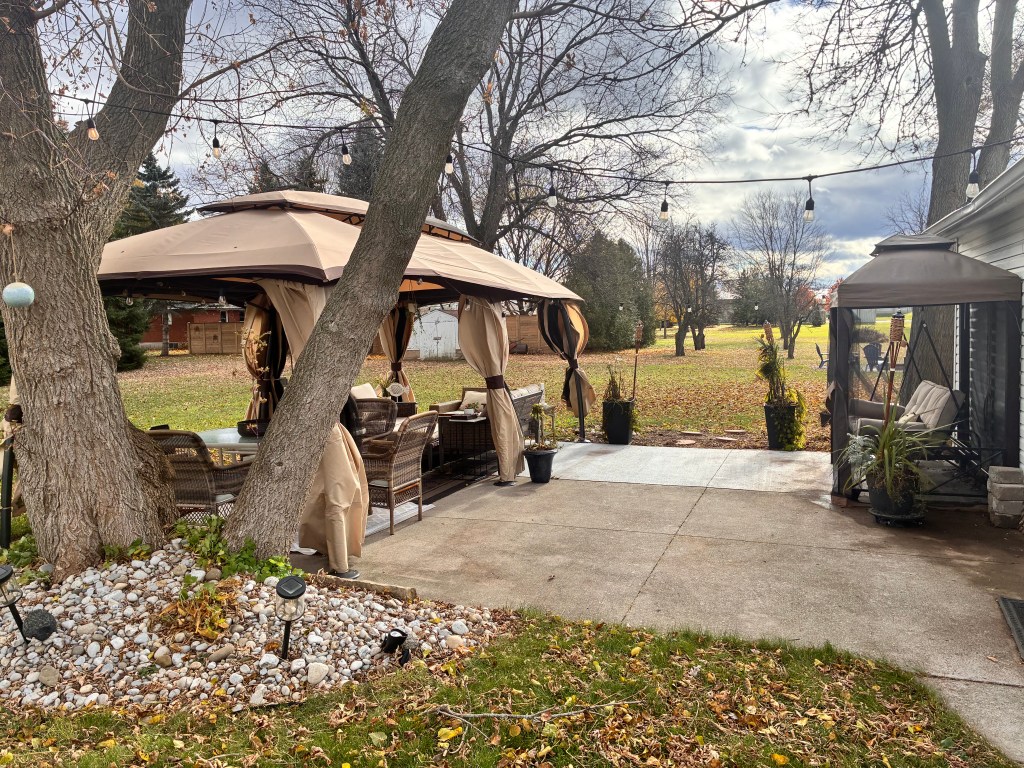
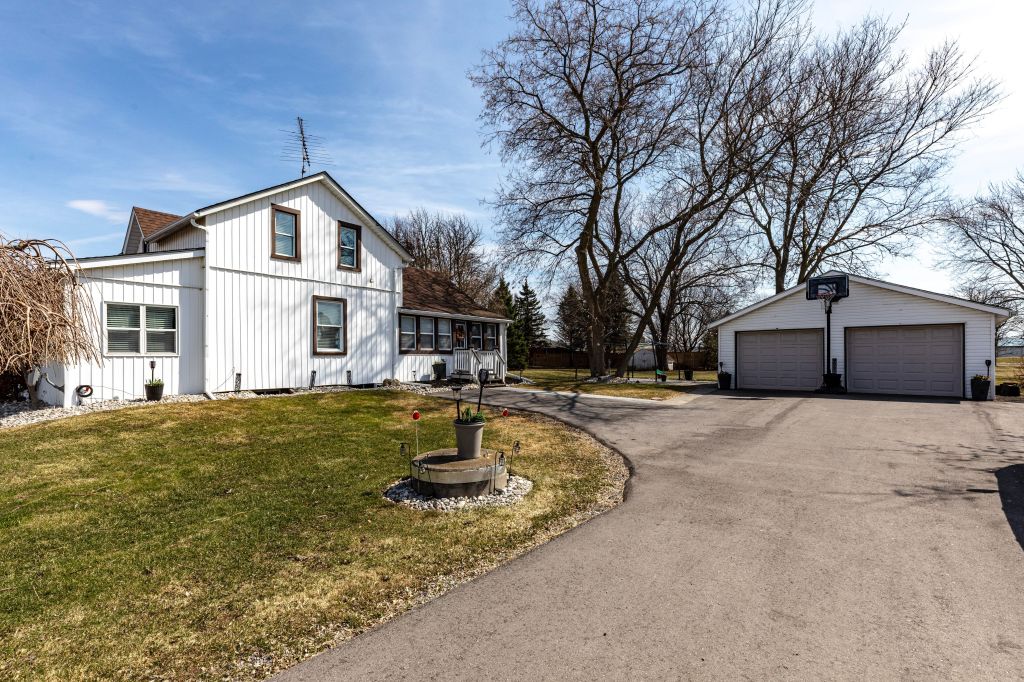
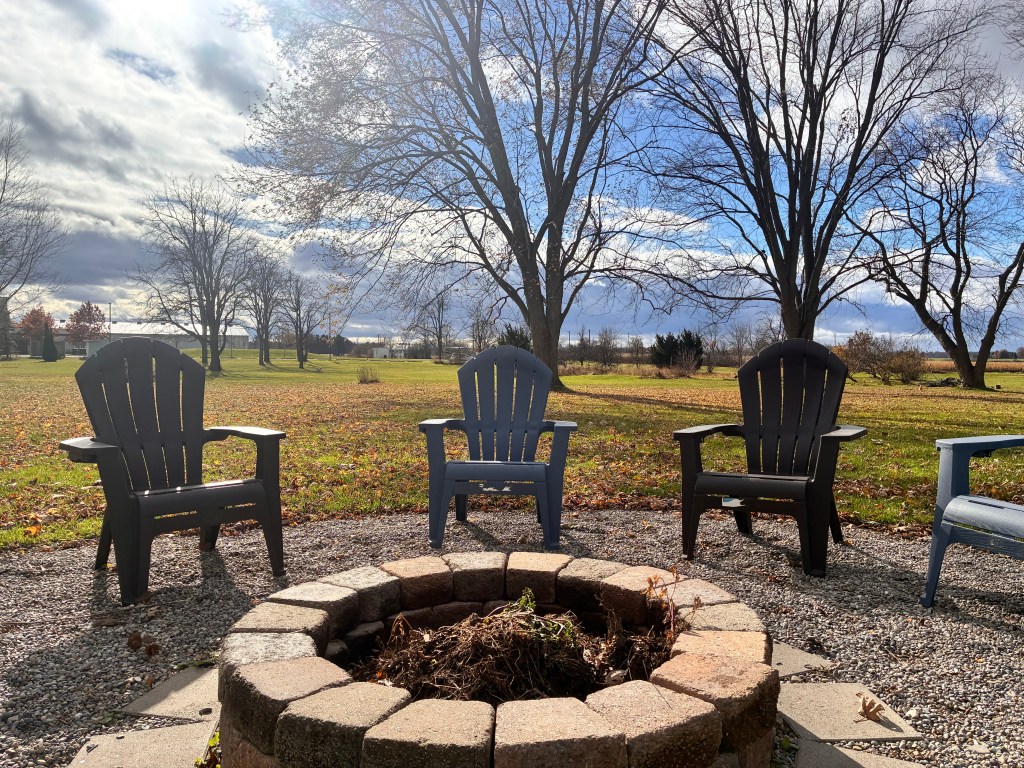
The home’s 1850s character has been thoughtfully reimagined with stylish modern updates, creating warm, inviting spaces filled with natural light. The main floor offers a spacious eat-in kitchen, an oversized dining room ideal for entertaining, a bright living room, and a versatile office and home gym. Rich hardwood floors and quality finishes enhance the home’s timeless appeal. Step outside to your own private retreat, featuring a large patio, fire pit, and expansive yard, perfect for relaxing or hosting family and friends. Practicality meets convenience with a 22′ x 24′ double car garage with electrical, along with a generous driveway accommodating up to five additional vehicles.
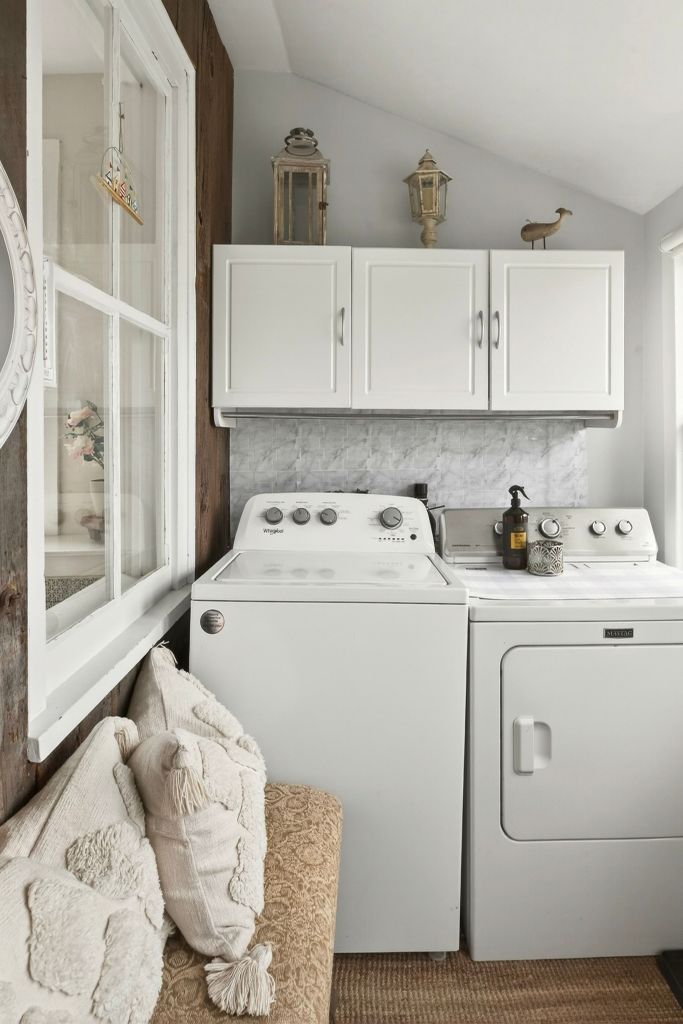
Extensive updates provide peace of mind, including shingles on both the house and garage (2016), jet pump and water supply system (2020), stove (2021), gas line and on-demand hot water heater (2022), sump pumps, washer and refrigerator (2022), premium water filtration system (2022), refinished hardwood floors (2022), driveway (2024), and basement waterproofing (2025). This move-in-ready home offers a rare opportunity to enjoy country-style living with modern upgrades in a highly desirable location.
Don’t have time to read? Scroll to the bottom for my ‘cheat sheet’ and important links tailored to buyers in Ontario
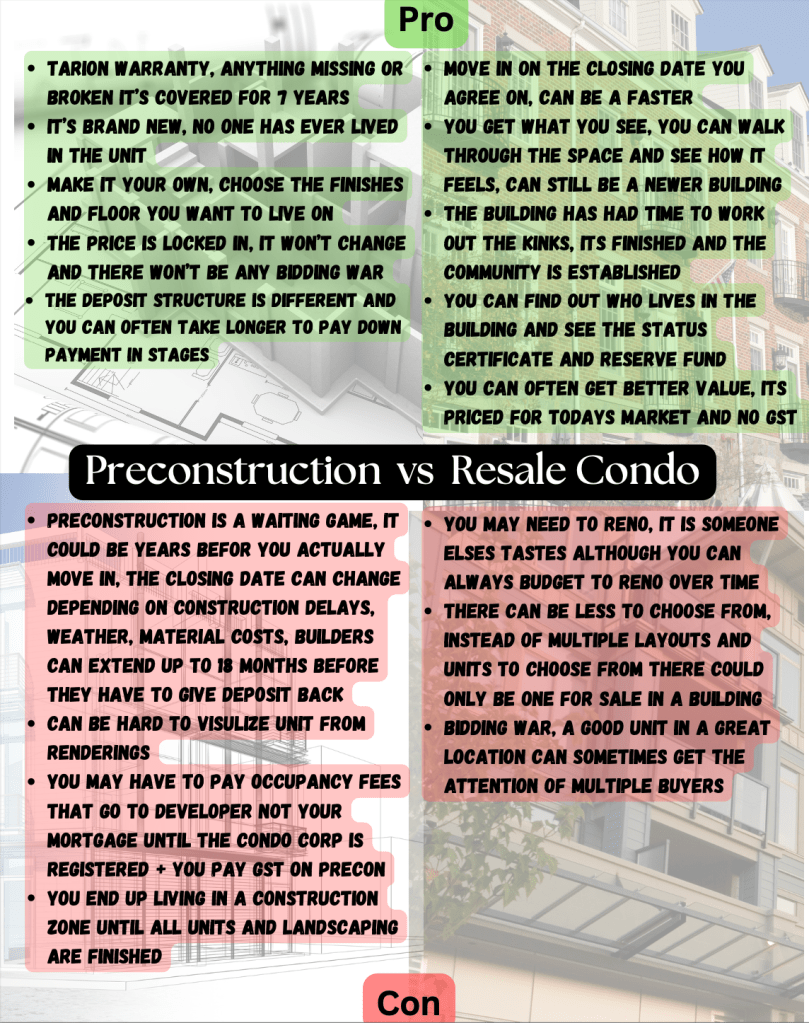
Buying a pre-construction condo versus a resale condo in Ontario comes with its own set of advantages and drawbacks. Here’s a breakdown of the pros and cons of each to help you decide which option aligns better with your goals.
Pre-construction Condos
Pros:
Brand New & Customization: Preconstruction condos are newly built, meaning everything is modern, fresh, and typically comes with the latest design trends and features. You may also have some ability to customize finishes (e.g., flooring, countertops, cabinetry) during the design phase.
Less Maintenance: Since the condo is new, you won’t face maintenance issues or repairs for several years.
Potential for Appreciation: Over time, as the development grows and surrounding infrastructure improves, the value of the property might increase. If the market is strong, you could gain substantial equity by the time you move in.
Deposit Structure: Many preconstruction deals allow you to pay in installments over time (e.g., 5% or 10% initially), which may make it easier to budget for the purchase.
Modern Amenities: New developments typically feature upgraded amenities like gyms, rooftop terraces, pools, and co-working spaces that are appealing to many buyers.
Warranty Protection: New condos come with warranties covering structural defects and certain issues for the first few years, giving you peace of mind.
Cons:
Delayed Occupancy: Preconstruction projects can be delayed, sometimes for years. If you’re planning to move in right away, this can be frustrating.
Higher Price: Preconstruction condos may be priced higher compared to resale units, even though you won’t benefit from the property appreciating until it’s completed and occupied.
Uncertainty about the Final Product: While renderings and floorplans look appealing, there may be differences between what’s promised and what is delivered (e.g., layout, finishes, views).
Closing Costs and Fees: There may be unexpected costs upon closing (e.g., HST, development fees, levies). Additionally, the unit may be subject to property tax reassessment when it’s completed.
Construction Risks: There’s a risk that the development might be delayed or not even completed, depending on the developer’s financial health.
Resale Condos
Pros:
Immediate Move-In: A resale condo is ready to move into as soon as the transaction is completed, making it ideal for those who need a place to live immediately.
Established Community: With resale condos, you know what the neighborhood and building are like. You can assess the building’s management, amenities, and the overall condition before buying.
Potential for Negotiation: With resale condos, there’s often room to negotiate on price, closing dates, and other terms of the deal.
Lower Initial Costs: Generally, resale condos are priced lower than preconstruction units, especially in areas where supply has outpaced demand.
No Waiting for Construction: There’s no uncertainty about delays or wondering if the building will turn out as expected.
Known Maintenance History: You can learn about the building’s past maintenance, repairs, and renovations through the status certificate and inspection reports, which help assess the condo’s condition.
Cons:
Older Units/More Maintenance: Resale condos are often older, meaning they could come with higher maintenance costs, outdated appliances, and a need for updates or repairs.
Less Control Over Design: When buying a resale unit, you’re stuck with the current layout, finishes, and overall design. Renovations might be necessary if you want a more modern look.
Less Warranty Protection: Unlike preconstruction condos, resale units don’t come with the same new-home warranty protections, so repairs could be your responsibility.
Potential for Higher Condo Fees: Older buildings often have higher condo fees due to older infrastructure and maintenance needs.
Potential for Hidden Problems: Even with an inspection, there may be hidden issues (e.g., plumbing or electrical) that aren’t immediately obvious, leading to future costs.
Summary Comparison
Factor
Preconstruction Condo
Resale Condo
Price
Generally higher upfront
Usually lower upfront
Condition
New, no repairs needed for several years
Older, may need repairs or updates
Customization
Ability to customize finishes
No customization, you get what’s available
Maintenance
Minimal for first few years
Possible ongoing maintenance costs
Move-in Time
Long wait (usually 2+ years)
Immediate move-in possible
Investment Potential
Potential for price appreciation over time
Established value with less potential for rapid growth
Warranty/Guarantees
Includes warranty protection for defects
No warranty protection, repairs are your responsibility
Market Risks
Dependent on project completion and market conditions
Known market conditions, but no future growth potential
Fees
Development fees, potential price hikes
Standard closing costs, potential for higher condo fees
Which Is Right for You?
Preconstruction condos are ideal if you’re willing to wait, want a brand-new home, and are ready for a potentially higher price but with modern amenities and no maintenance headaches in the first few years.
Resale condos are better if you need to move in immediately, want a potentially lower upfront cost, and are okay with the possibility of doing some renovations or repairs.
If you want to discuss specific neighbourhoods or need more help, let me know!
In this climate of rising rents and declining mortgage rates, Canadians are wondering if this year is the year to buy or rent?
Buying vs Renting in Canadian Real Estate Market
The Canadian real estate market has seen a fluctuation in mortgage rates and rental costs in recent times. The beginning of the year saw a hold in the overnight lending rate, leading to a reduction in fixed mortgage rates. For instance, the 5-year fixed mortgage rate dropped from 5.49% in October to as low as 4.89% by January 2024.
The impact of high interest rates is not limited to homeowners; it also affects the rental market. Over the past two years, as interest rates increased, asking rents surged by 22%, as reported by Rentals.ca.
Amidst these changes, many Canadians are contemplating whether this is the right time to make a decision between buying or renting. To shed light on this dilemma, Zoocasa conducted an analysis across 26 markets in Canada. The analysis compared monthly rental prices with monthly mortgage payments, based on average prices in December 2023. Check out the findings by clicking the link below:
The process of navigating the purchase of your first home can be an exciting milestone in life, but it also comes with a multitude of questions and considerations. It’s not uncommon to feel inundated with advice from various sources, which can easily become overwhelming. From financial aspects to location preferences, the sheer volume of information available in the media and online can make the decision-making process seem daunting. However, it’s important to approach this significant investment with a clear understanding of your needs and preferences, alongside thoughtful consideration of the available options. By carefully weighing your priorities and seeking reliable guidance, the journey to purchasing your first home can be transformed into an enriching and fulfilling experience.
Here are 7 Steps that can help focus your actions when starting your home buying journey:
Determine your budget and get to know the Government Incentives: Start by evaluating your financial situation and setting a realistic budget for your home purchase. Consider factors like your income, savings, and any existing debts. Research what Government Incentives are available in your area- there are some good saving options out there, check out the link listed at the bottom.
Get pre-approved for a mortgage: Once you have a clear budget in mind, it’s important to get pre-approved for a mortgage. This will give you a better understanding of how much you can borrow and what your potential monthly payments might look like.
Identify your priorities: Make a list of your must-haves and nice-to-haves in a home. Consider factors like location, size, amenities, and future resale value to narrow down your options.
Research neighbourhoods and properties: Take the time to explore different neighborhoods and properties that align with your priorities. Look into local amenities, school districts, and property values to find the right fit for your needs.
Work with a real estate agent: A trusted real estate agent can provide valuable guidance and support throughout the home buying process. They can help you find suitable properties, negotiate offers, and navigate the paperwork involved.
Make an offer and negotiate: Once you’ve found a property you’re interested in, work with your real estate agent to make a competitive offer. Be prepared to negotiate terms with the seller to reach a mutually beneficial agreement.
Close the deal: After your offer is accepted, you’ll enter the closing process. This involves finalizing the mortgage, conducting inspections, and completing the necessary legal steps to officially purchase the property.
Remember, each home buying journey is unique, and it’s important to approach the process with patience and careful consideration.
Don’t know where or how to start? Connect with a real estate agent like me! I possess the expertise and knowledge to guide you through this intricate process. I have valuable insights that can help you navigate the complex world of real estate and I can connect you with trusted information and resources to propel you forward. Use my years of experience in the market to gain access to essential support and make informed decisions, ensuring a smoother journey towards your real estate goals.
Here are some helpful links to get you started on your way:
Choosing the right neighbourhood when buying a house is important for many reasons. Purchasing a home represents a substantial financial commitment that demands careful consideration. Here are some tips to help you make an informed choice from the outset.
Property Value Trends and Investment Potential
Even if you don’t plan to sell your home immediately, it’s wise to consider your property’s resale potential. The neighbourhood you choose can significantly impact the future value of your property. A desirable neighbourhood can make your home more attractive to prospective buyers when it’s time to sell your home.
Furthermore, some neighbourhoods offer investment opportunities with a higher chance of growth. In contrast, declining neighbourhoods may lead to potential financial losses.
Crime Rates, Safety, and Security
Safety is a top priority for most homeowners. Researching crime rates and the overall feeling of security in a neighbourhood is vital for your peace of mind and the well-being of your family. There are various websites that you can search crime statistics for various neighbourhoods and cities. One that I’ve used is Area Vibes https://www.areavibes.com/hamilton-on/crime/, this site provides all sorts of area info across Ontario.
Commute and Accessibility
Your chosen neighbourhood can significantly affect your daily life. Consider proximity to schools, healthcare facilities, grocery stores, parks, and recreational areas. The daily commute to work or other essential destinations can significantly impact your happiness and productivity. A convenient location can improve your quality of life and save you time on daily tasks.
When choosing a new place to live, think about how close it is to places you go often, like school or your favourite grocery store. Also, check if buses or trains are nearby to help you get around easily. It’s always good to pick a spot that makes your day-to-day travels simple and quick. This way, you can spend more time doing what matters to you and less time on the road.
Local Amenities, Community, and Lifestyle
Different neighbourhoods offer different amenities and lifestyles. Some may have vibrant cultural scenes, while others provide a more peaceful, suburban atmosphere. If you have children or plan to in the future, the quality of local schools is also essential. Consider your interests and the lifestyle you want when choosing a neighbourhood. Here are a few popular amenities homebuyers often look for when buying a new home:
Schools: Good-quality schools, both primary and secondary, nearby.
Parks and Green Spaces: Areas for recreation, relaxation, and play.
Shopping: Convenient locations for grocery shopping, retail shopping, and other essential purchases.
Dining Options: Restaurants, cafes, and eateries within walking or short driving distance.
Recreational Facilities: Gyms, swimming pools, tennis courts, etc.
Healthcare Facilities: Hospitals, clinics, and pharmacies nearby.
Cultural Attractions: Museums, theatres, galleries, and other cultural venues.
Walking and Biking Trails: Paths for pedestrians and cyclists for exercise and commuting.
Public Libraries: Access to reading materials, classes, and community events.
Proximity to Workplaces: Especially important for those who prefer a short commute.
Childcare Centers: For families with young children.
Pet-Friendly Amenities: Dog parks or pet-friendly areas.
Public Services: Fire and police stations nearby for safety and security.
Future Development Plans
The potential for future development is a critical factor to consider, as it can significantly impact the quality of life and property values in a given neighbourhood. Upcoming infrastructure and real estate developments can bring numerous benefits, including improved amenities, greater accessibility, and increased job opportunities. However, they may also lead to higher living costs, increased traffic, and potential displacement of current residents.
Planned infrastructure and development can also negatively impact your home purchase. New expansions can affect the overall character of your house, such as your lake views being obstructed by new structures. It can also affect the property value and how you experience your neighbourhood.
Therefore, staying informed about future changes is vital. By researching prospective neighbourhoods thoroughly, one can gain insight into planned developments and their potential impacts. This can inform decisions about whether a neighbourhood will continue to meet personal and financial needs in the future, ensuring a sound real estate investment.
Environmental Factors to Consider
In considering a potential neighbourhood, it is essential not to overlook the importance of environmental factors. These can include the risk of natural disasters, the presence of parks and green spaces, and the general natural beauty of the area.
Each of these elements can significantly impact the quality of life and should be part of any thorough neighbourhood investigation.
Checking for Natural Disasters and Risks
A significant proportion of your neighbourhood research should be dedicated to assessing the potential risks and prevalence of natural disasters in the area. This includes investigating the history of environmental hazards such as floods, wildfires, earthquakes, or severe weather conditions.
Reliable sources for this information can be local government websites or national databases. It’s important to also consider if the area has a robust disaster response plan in place.
Environmental factors are a crucial consideration when choosing a neighbourhood, as they can impact not only your lifestyle but also your safety and well-being.
Parks, Green Spaces, and Natural Beauty
Evaluating the presence and quality of parks, green spaces, and areas of natural beauty in a potential neighbourhood can contribute significantly to your understanding of its environmental appeal and overall liveability. These spaces not only provide aesthetic benefits but also promote physical activity, mental well-being, and community engagement.
Financial Considerations When Considering a Home Purchase
Understanding the financial implications is critical when considering a home purchase, as these will significantly affect your overall budget and lifestyle. Property taxes and municipal fees are important factors to consider. These home buying costs can vary greatly from one neighbourhood to another and can significantly impact your monthly housing expenses.
The potential for rental income is another financial consideration. If the neighbourhood has a strong demand for rentals, you may be able to generate extra income by renting out a portion of your property. Moreover, this demand could also enhance your property’s resale value.
Additional Factors to Consider
In considering the right neighbourhood, it’s crucial not only to think about the financial aspects but also to take into account other factors.
These include the history and heritage of the neighbourhood, the availability of local health and medical facilities, opportunities for social engagement and networking, and the potential for rental income and property sharing.
Each of these factors contributes to the overall quality of life in a neighbourhood and should not be overlooked.
Strategies for Researching a Neighbourhood Before Buying
When purchasing a home, the neighbourhood can be just as important as the house itself. Before making such a big decision, it’s crucial to research and get to know the community you’re considering. Here are some strategies you can employ to investigate a neighbourhood thoroughly, ensuring you make an informed choice for your future home.
Conducting an In-person Neighbourhood Assessment
Three essential steps in conducting an in-person neighbourhood assessment include:
Visiting the area: This step allows you to experience the neighbourhood’s ambiance and assess factors such as noise levels, cleanliness, and traffic patterns. A visit provides invaluable insights beyond what can be found online.
Observing the surroundings: This step involves observing the neighbourhood’s surroundings, particularly during different times of the day. This reveals the neighbourhood’s character and lifestyle. It is important to note the condition of buildings, public spaces, and infrastructure. Additionally, observe the availability of amenities like parks, stores, and restaurants.
Interacting with potential neighbors: This step involves interacting with potential neighbors to get firsthand experiences and perceptions about the area. They can provide valuable information about the community and give insights that may not be apparent from a visit or observation.
An in-person neighbourhood assessment, although time-consuming, provides a comprehensive understanding of your prospective community that will make it easier to purchase your new home with confidence.
Speak With People Who Live in the Neighbourhood
Connecting directly with its residents often reveals invaluable insights that cannot be gleaned from data alone.
Residents offer firsthand knowledge about the neighbourhood’s vibe, providing a more nuanced understanding than raw data. They can share if the community is welcoming, quiet, or vibrant.
Residents can provide details on neighbourhood issues that aren’t immediately apparent, such as noise disturbances, or parking difficulties.
They can also share the strengths of the community, such as frequent neighbourhood gatherings or great local amenities.
Ultimately, reaching out to neighbourhood residents can provide a richer, more accurate picture of your potential new home than data alone can provide.
Do a Trial Run of Your Future Commute
Before settling on your dream neighbourhood, conducting a commute trial run can give you a great idea of if the neighbourhood is a good choice with your current employer. It provides a realistic view of your potential daily travel times and traffic experiences. Here are some things to keep in mind when you do your trial run depending on your mode of transport:
Test Drive: Physically drive the route between your prospective home and workplace during your usual commute times. Experience firsthand the traffic patterns, road conditions, and any potential bottlenecks.
Public Transit: If you plan on using public transportation, take a ride on the available routes. Evaluate their punctuality, comfort, and convenience.
Alternative Paths: Explore different commuting routes to determine flexibility. Unforeseen circumstances or road constructions may necessitate these deviations.
A commute trial run is an essential step in the home-buying process. It ensures that your dream neighbourhood doesn’t turn into a logistical nightmare, impacting your quality of life and satisfaction.
Utilize Community Facebook Groups
In the process of researching your dream neighbourhood, utilizing community Facebook groups can provide invaluable insights and firsthand experiences from current residents. These platforms are a treasure trove of information, often hosting lively discussions about local events, ongoing issues, and overall neighbourhood vibes.
Joining these groups not only offers answers to specific queries but also enables you to navigate through varying perspectives, providing a well-rounded understanding of the community. Utilize keyword searches to discover past conversations on topics of interest. Engaging actively can reveal the community dynamics, highlighting the level of resident involvement and general attitude.
Get Insider Neighbourhood Information: Buy Your Next Home With Katy Jobe!
Discovering the ideal neighbourhood requires a multifaceted approach and may require you to look at a large number of homes. This involves analyzing unbiased ratings and reviews, understanding the quality of educational institutions, conducting physical assessments, interfacing with residents, and scrutinizing crime rates.
Ultimately, let your personal preferences and priorities guide your decision. Learn more about choosing the right neighbourhood by contacting me today!
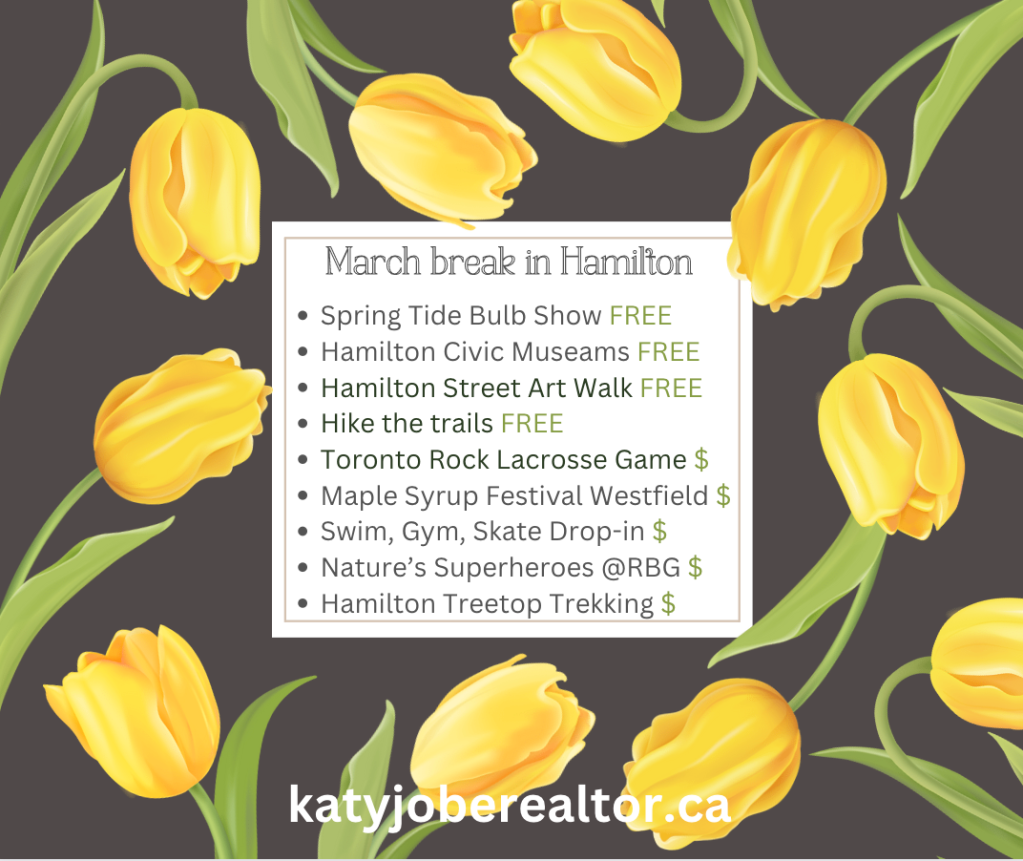
Spring is in the air! Looking for fun ways to get out and enjoy spring over March Break? Here are my top 9 things to do in Hamilton this March Break- Enjoy!
Spring Tide Bulb Show: The Spring Tide Bulb Show is a journey to an oasis with beautiful flower displays and the smell of spring. March 8 to 17, 2024 – Gage Park Greenhouse. Free Admission & Parking.
Hamilton Civic Museums: Did you know that a physical or digital Hamilton Public Library card gives you FREE access to Hamilton’s eight City-owned museums? Each person over age five must have a library card for free entry at each museum except at the Children’s Museum, where each person over age one must have a library card for free entry.
Hamilton Street Art Walk: When you view the city as a canvas, beautiful things start to happen! Hamilton’s street art scene continues to grow and inspire, offering a window into the city’s character and many stories. Create your own self-guided tour for a street-level gallery experience with our neighbourhood guides to just some of the murals to look for in the city.
Hike the trails: Now more than ever, we need the healing power of nature. Hamilton’s outdoor playground is here to help you answer the call to get outside. Its vast trail network winds through forests, along waterfronts, and across the edge of the striking Niagara Escarpment. Best of all, these stunning walks are easy to reach and close to great attractions and dining perfect for refuelling.
Toronto Rock Game: Always a super fun time, the Toronto Rock Games are played right here in Hamilton at the First Ontario Centre. It’s kids night on March 9th and its a BOGO event!
Maple Syrup Festival at Westfield Heritage Village: It’s maple syrup season and the sap is running early! Go check out lots of fun activities over March break at the Westfield Heritage Village.
Swim, Gym, Skate: From Monday, March 11 to Sunday, March 17, 2024, additional drop-in swim, gym and skate programs will be available at select Recreation Centres and Arenas across the City of Hamilton. Go on and get active!
Nature’s Superheroes at the RBG: Are you ready to meet our super-natural Superheroes? Some plants and animals look extraordinary to us, but their unusual features usually address the most ordinary of tasks: to reproduce, breathe and move around, sense the world, or find food and safety. From mountaintops to ocean depths, get ready to explore nature’s most astounding adaptations for life in our planet’s most extreme environments. Go check out this intriguing exhibit at the RBG.
Hamilton Treetop Trekking: With the village and Discovery courses open for March break, Treetop Trekking is all about fun! Surround yourself in nature while exploring the forest during one of our unforgettable adventure activities. We’ve got something for all ages and abilities.
🏆 Here’s a cool treasure! Found buried in the dirt under a front porch we were restoring in the Gibson South area of Hamilton a few years back. My son helped me take it apart and clean it up; it is in remarkable shape considering it has been buried for 110 years! 🏀 This photograph of the “Federal Life A A Basketball Team Champions Senior City League, 1914-1915” was taken at the “A.M. Cunningham Photo Studio” in Hamilton Ontario. It features 7 players, the president and the manager. I can’t imaging playing basketball in those shoes! I’ve tried researching all their names and could only find 2 of them, W.G.N. Turnbull and R.C. Ripley, both served in WW1. What a cool piece of Hamilton history!
Here are some helpful tips to keep your packages safe
According to Online shopping statistics in Canada 2024, the number of people shopping online in Canada went up from 73% in 2018 to 82% in 2020. In 2022, over 27 million Canadians shopped online. According to Statista, the revenue from online sales was $70.9 billion in Canada in 2022. The two categories of goods stand out above the rest in Canada for online purchases: Electronics and Fashion.
With so many of us shopping online, keeping those purchases safe upon delivery until you can take them inside is of upmost importance. Here are some ways you can help protect your shipments.
Basic protection
book shipments when you can be home when possible
If you expect to be home when packages arrive, ask the shipper to require a signature when possible
ask the courier to deliver the parcel to a trusted neighbour, or, have a neighbour retrieve the package until you can be home
opt to pick up your package in-store
ensure your front door area is well lit
Moderate protection
place a old chest or delivery box so that packages are out of sight
use a motion sensor light to scare away potential stealers
purchase a package guard or porch pirate bag, a reinforced nylon bag that locks to your front door or gate. Instruct the courier to place your package inside and close it using the combination lock
Expert protection
install a doorbell camera, which allows you to monitor and record any activity at your door. Some are accessible directly from a smartphone and allow for two-way talking
set up security cameras to discourage trespassers wary of being recorded
These proactive measures can help deter individuals seeking to steal your packages and enhance the security of your deliveries.
Everyone has a different idea of what their dream house looks and feels like.
When envisioning my dream house, I see a charming villa nestled in the countryside, surrounded by lush greenery and vibrant flowers and gardens. Its spacious open-concept design features large windows that invite plenty of natural light, creating a warm and inviting atmosphere. The modern kitchen is equipped with state-of-the-art appliances, perfect for experimenting with new recipes, while the cozy living room boasts a fireplace and a library filled with books and treasures from around the world. The master bedroom offers a breathtaking view of the landscape, and outside, a tranquil garden with a pergola provides the perfect spot for outdoor relaxation by the pool.
When searching for your dream house, enlisting the help of a reputable realtor, like me, can significantly ease the process. Realtors are skilled professionals who can navigate the complexities of the property market, understand your specific needs and desires, and identify suitable options for you. Their expertise in property valuation, negotiation, and legal processes can streamline the search for your ideal home. Whether you envision a charming countryside villa, a modern urban apartment, or any other type of residence, a competent realtor can be an invaluable asset in turning your dream home into a reality.
When finding your dream home, people have a variety of needs and wants that influence their decision. Some common considerations include:
Needs:
Location: Proximity to work, schools, amenities, and public transportation.
Safety: A secure neighborhood with low crime rates and good lighting.
Space: Sufficient bedrooms, bathrooms, storage, and living areas for the household’s needs.
Affordability: Within the budget and manageable in terms of mortgage or rent payments.
Accessibility: Features that accommodate any specific mobility needs, such as ramps or elevators.
Wants:
Aesthetics: Attractive architecture, design, and curb appeal.
Outdoor Space: Private yard, garden, balcony, or access to communal outdoor areas.
Amenities: Modern appliances, specific features like a fireplace or a pool, and smart home technology.
Community: Proximity to social and recreational facilities, and a sense of community spirit.
Resale Value: Consideration of potential property value appreciation over time.
Understanding the balance between these needs and wants can help individuals and families find a home that meets both their practical requirements and their desired lifestyle.
When it comes to finding the perfect home, people have diverse preferences and desires regarding the type of property they envision. Whether it’s a charming countryside villa, a modern urban apartment, or any other type of residence, understanding these individual preferences is crucial in the search for the ideal home. Additionally, various property types, such as single-family homes, apartments, condos, townhouses, villas, and more, cater to different lifestyle needs and aspirations. It’s important to consider these diverse perspectives and explore the wide range of housing options available to find the perfect fit.
Single-family home: A standalone house designed for a single household, offering privacy and space.
Apartment: A self-contained living space within a larger building, often with shared amenities.
Condo: Similar to an apartment, but the individual units are owned rather than rented.
Townhouse: A narrow, multilevel home joined with other units in a row.
Villa: Often a luxurious, standalone structure with spacious grounds, commonly associated with a rural or holiday setting.
Duplex: A house divided into two separate living units.
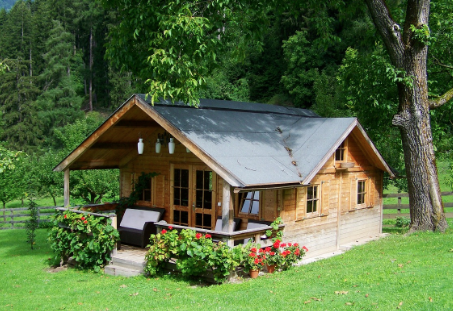
Cottage: A small, cozy house, typically in a rural or semi-rural setting.
Mansion: A large, impressive residence, often associated with wealth and luxury.
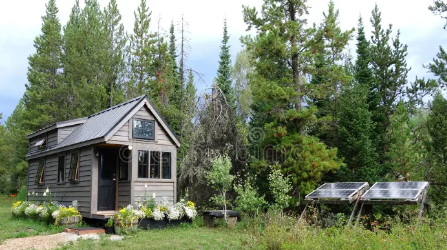
Tiny house: A compact dwelling, typically on wheels, designed to minimize living space and focus on simple living.
Ranch house: A single-story home, often with a flowing layout and a connection to the outdoors.
Bungalow: A small, one- or one-and-a-half story house, often with a spacious front porch.
Castle: A large, fortified building, often with historical and architectural significance.
When it comes to finding your dream home, envisioning the perfect type of house is just the beginning. Whether it’s a cozy cottage nestled in the countryside, a sleek and modern urban loft, a spacious suburban home, or any other style, I’m here to help guide you through the process. With the right approach and expertise, we can work together to turn your dream of a perfect house into a reality. Let’s start this exciting journey and find the ideal home that suits your unique vision and lifestyle.
Here are some helpful tools to get you started on your Dream House Search!
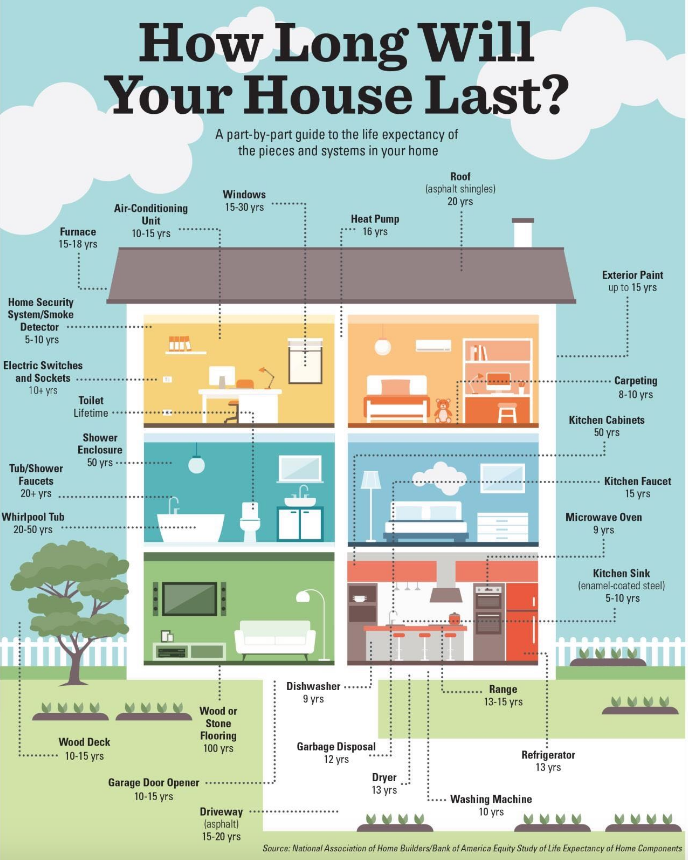
You can count on a well-constructed house to last a lifetime — maybe even a century or longer. Some of the components that make up a house, however, tend to have shorter lifespans, and need repair or replacement to endure the test of time.
We all want the elements of our home to last forever- and with proper care and maintenance, I’ve seen first hand how some homes are like walking into a time capsule proving these estimates in the graphic shown above to be false. Take these numbers to be a guideline, the length of time something will last depends on the lifestyle of the people living in the home, how “hard” they use them, and how well they maintain their property.
Average lifespan for common appliances
Every appliance has a different average lifespan. This length of time drops dramatically if items aren’t given the proper care or regular maintenance. Lifespan is also impacted by frequency of use, which is good to note if you’ve already got an older appliance in your home.
In general, an appliance installed correctly, well maintained, and used a reasonable amount of time will last to the end of its expected life. This in turn will help you maintain a higher resale value of your home.
Heater/furnace
Average lifespan: 16-20 years
The heating system is a unique appliance to care for because it’s not the appliance itself, but what it’s connected to that keeps things running well. Keep flammable objects away from the heater and routinely install fresh filters. Make sure you know where all the vents are in your home and keep them clear of dust and free from any blockage. Don’t put large pieces of furniture up against a vent. Ductwork can be cleaned by professionals every few years to make sure ventilation pathways stay clear.
Air conditioner
Average lifespan: 10-15 years
Care for air conditioners is all about creating a routine. Timing your maintenance around the changing of the seasons is a good way to remember to regularly change or clean the air filters to maintain the efficiency of the system. You should also check the evaporator coil every year and dust it off if necessary. The part of your unit that’s outside is a separate issue, and can get very dirty during certain times of the year. Be extra observant during fall and winter to clear away any foliage that falls on top or gets stuck to the sides of the unit.
Washer and dryer
Average washer lifespan: 10 years
Average dryer lifespan: 13 years
The most important tip for caring for washers and dryers — don’t overload. For either appliance, leave some room for what you’re cleaning to slosh around. Use the right type and amount of detergent in the washer, and leave the door open after use to dry it out. Keep the lint screen clean in the dryer by wiping it after each load. Wipe down everything regularly and keep an eye on the dust build-up around and behind your dryer. You may also want to clean out the dryer’s vent system every so often to make sure it stays clear.
Expected lifespan of kitchen appliances
Kitchens tend to be the heart and soul of the home, and the area where you spent large portions of your time. They are also the spot where you’ll find some of the most heavily used appliances.
Oven
Average lifespan: 15-25 years
Ovens are great since most come with a self-cleaning function. With just the push of a button, you can keep it clean and operating at its best. The only other work you need to do is check the oven’s burners periodically to ensure the coils have no deformities or damage. Even a small spot on a coil that looks redder when heated up is a sign that the oven is about to short. This can lead to significant damage, so keep an eye out for any abnormalities.
Garbage disposal
Average lifespan: 15 years
Common wear and tear for disposals leads to the blade wearing down or the motor burning out. To lengthen the amount of time before this issue arises, know what should and shouldn’t go down the drain. The list of no-no’s includes:
Coffee grounds
Bones or shells
Food items that expand when they get wet, like grains or pasta
Nuts
Egg shells
Fibrous vegetables like pumpkins
Fruit pits
Onion skins, potato peels, and corn husks are also not recommended for disposals. Especially in large quantities, these items can not only break the disposal, but clog the drain entirely.
Everyday care for your disposal includes keeping an eye on build-up. You can decrease the level of build-up by using cold water instead of hot when your disposal is running.
Gas range
Average lifespan: 15 years
Keeping your range clean is the best way to give your stove a long life. Not only that, but it keeps your burners working right. A dirty burner cap can impact ignition and create poor distribution of heat on the burner. This leads to food cooking unevenly. If anything on the stove spills over, wait until the range cools and then clean immediately. Keep food residue and grease from building up, and avoid using abrasive cleaners. Don’t forget to check under the hood for build-up as well. These tips work for any type of stove.
Refrigerator
Average lifespan: 10 years
To keep your fridge working effectively, for the longest amount of time possible, there are a few maintenance tasks you should remember:
Replace the water filter and air filter per the user manual. Most suggest you do this twice a year.
Regularly vacuum any exposed condenser coils to keep them free from dust. This ensures proper air circulation.
Make sure door seals stay tight and secure to not only keep the fridge running effectively, but also to prevent food from spoiling.
Your fridge should stay between 37-40 degrees Fahrenheit, while you freezer should be at zero degrees. A full fridge actually runs best, so if you find it too hard to keep your fridge stocked, you may need a smaller model.
Microwave
Average lifespan: 10 years
Keeping your microwave clean actually increases its life, so giving it regular attention when you clean the kitchen pays off. Wipe down the inside and outside to get rid of grease and pull out the turntable dish periodically for a cleaning. Using any all-purpose cleaner should be fine.
Another way to increase the life of your microwave is to treat it nicely. Don’t slam shut or yank open the microwave door, especially while the microwave is running. Never run the microwave without anything in it, and keep items like foil and metal out. If any small parts break, like the light or the turntable, replace them as soon as you can. They’re an easy fix.
Expected lifespan of major structural components
Of course, keeping your house in good condition for as long as possible also means caring for its major structural needs, and understanding when they need may attention. Thankfully, a well constructed home with good bones may have components that will outlive you (i.e. floors and foundations).
Here are some things to make note of:
Roof – Average lifespan: 10 years
Wood or stone flooring – Average lifespan: Up to 100 years
Windows – Average lifespan: 25 years
Faucets – Average lifespan: 20 years
Driveways – Average lifespan: 20 years
Electrical panel – Average lifespan: 60 years
Plumbing – Average lifespan: 50+ years
These might need replacing too
Keep in mind the lifespans of these other common household items:
Security systems last between 5-10 years, depending on advances in technology.
Carpet can last between 8-10 years based on foot traffic, wearing, and staining.
Smoke detectors should be replaced every 10 years, and tested monthly.
Exterior paint can last up to 20 years but probably deserves attention after 15.
Wooden decks and fences should go for 20 years depending on climate.
These are just a few examples, but everything has a life expectancy in a house. They might not all come due while you’re living there. It all depends on the age of your home, when items were installed, and how well everything has been maintained.



















 Katy Jobe Realtor
Leave a comment