Buying a Condo: The Benefits of Pre-Construction vs Resale

Don’t have time to read? Scroll to the bottom for my ‘cheat sheet’ and important links tailored to buyers in Ontario

Buying a pre-construction condo versus a resale condo in Ontario comes with its own set of advantages and drawbacks. Hereโ€™s a breakdown of the pros and cons of each to help you decide which option aligns better with your goals.

Pre-construction Condos

Pros:

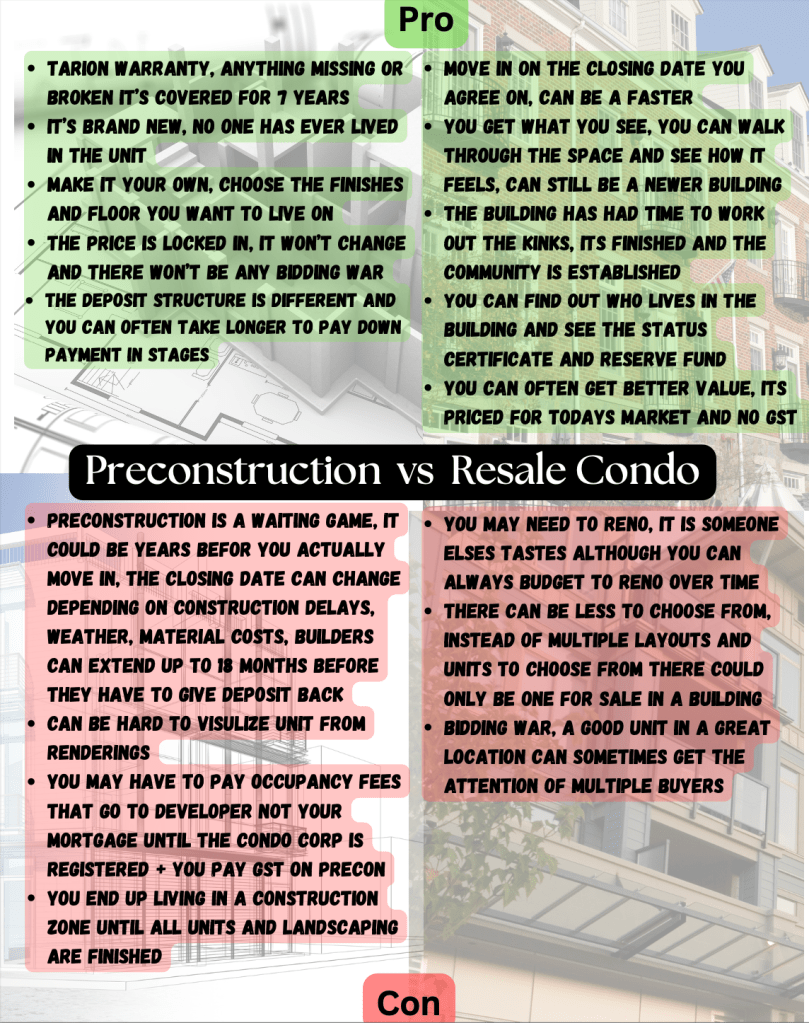
  1. Brand New & Customization: Preconstruction condos are newly built, meaning everything is modern, fresh, and typically comes with the latest design trends and features. You may also have some ability to customize finishes (e.g., flooring, countertops, cabinetry) during the design phase.
  2. Less Maintenance: Since the condo is new, you wonโ€™t face maintenance issues or repairs for several years.
  3. Potential for Appreciation: Over time, as the development grows and surrounding infrastructure improves, the value of the property might increase. If the market is strong, you could gain substantial equity by the time you move in.
  4. Deposit Structure: Many preconstruction deals allow you to pay in installments over time (e.g., 5% or 10% initially), which may make it easier to budget for the purchase.
  5. Modern Amenities: New developments typically feature upgraded amenities like gyms, rooftop terraces, pools, and co-working spaces that are appealing to many buyers.
  6. Warranty Protection: New condos come with warranties covering structural defects and certain issues for the first few years, giving you peace of mind.

Cons:

  1. Delayed Occupancy: Preconstruction projects can be delayed, sometimes for years. If you’re planning to move in right away, this can be frustrating.
  2. Higher Price: Preconstruction condos may be priced higher compared to resale units, even though you wonโ€™t benefit from the property appreciating until itโ€™s completed and occupied.
  3. Uncertainty about the Final Product: While renderings and floorplans look appealing, there may be differences between whatโ€™s promised and what is delivered (e.g., layout, finishes, views).
  4. Closing Costs and Fees: There may be unexpected costs upon closing (e.g., HST, development fees, levies). Additionally, the unit may be subject to property tax reassessment when itโ€™s completed.
  5. Construction Risks: Thereโ€™s a risk that the development might be delayed or not even completed, depending on the developerโ€™s financial health.

Resale Condos

Pros:

  1. Immediate Move-In: A resale condo is ready to move into as soon as the transaction is completed, making it ideal for those who need a place to live immediately.
  2. Established Community: With resale condos, you know what the neighborhood and building are like. You can assess the building’s management, amenities, and the overall condition before buying.
  3. Potential for Negotiation: With resale condos, there’s often room to negotiate on price, closing dates, and other terms of the deal.
  4. Lower Initial Costs: Generally, resale condos are priced lower than preconstruction units, especially in areas where supply has outpaced demand.
  5. No Waiting for Construction: There’s no uncertainty about delays or wondering if the building will turn out as expected.
  6. Known Maintenance History: You can learn about the buildingโ€™s past maintenance, repairs, and renovations through the status certificate and inspection reports, which help assess the condo’s condition.

Cons:

  1. Older Units/More Maintenance: Resale condos are often older, meaning they could come with higher maintenance costs, outdated appliances, and a need for updates or repairs.
  2. Less Control Over Design: When buying a resale unit, youโ€™re stuck with the current layout, finishes, and overall design. Renovations might be necessary if you want a more modern look.
  3. Less Warranty Protection: Unlike preconstruction condos, resale units don’t come with the same new-home warranty protections, so repairs could be your responsibility.
  4. Potential for Higher Condo Fees: Older buildings often have higher condo fees due to older infrastructure and maintenance needs.
  5. Potential for Hidden Problems: Even with an inspection, there may be hidden issues (e.g., plumbing or electrical) that aren’t immediately obvious, leading to future costs.

Summary Comparison

FactorPreconstruction CondoResale Condo
PriceGenerally higher upfrontUsually lower upfront
ConditionNew, no repairs needed for several yearsOlder, may need repairs or updates
CustomizationAbility to customize finishesNo customization, you get whatโ€™s available
MaintenanceMinimal for first few yearsPossible ongoing maintenance costs
Move-in TimeLong wait (usually 2+ years)Immediate move-in possible
Investment PotentialPotential for price appreciation over timeEstablished value with less potential for rapid growth
Warranty/GuaranteesIncludes warranty protection for defectsNo warranty protection, repairs are your responsibility
Market RisksDependent on project completion and market conditionsKnown market conditions, but no future growth potential
FeesDevelopment fees, potential price hikesStandard closing costs, potential for higher condo fees

Which Is Right for You?

  • Preconstruction condos are ideal if youโ€™re willing to wait, want a brand-new home, and are ready for a potentially higher price but with modern amenities and no maintenance headaches in the first few years.
  • Resale condos are better if you need to move in immediately, want a potentially lower upfront cost, and are okay with the possibility of doing some renovations or repairs.

If you want to discuss specific neighbourhoods or need more help, let me know!

To buy or not to buy…

In this climate of rising rents and declining mortgage rates, Canadians are wondering if this year is the year to buy or rent?

Buying vs Renting in Canadian Real Estate Market

The Canadian real estate market has seen a fluctuation in mortgage rates and rental costs in recent times. The beginning of the year saw a hold in the overnight lending rate, leading to a reduction in fixed mortgage rates. For instance, the 5-year fixed mortgage rate dropped from 5.49% in October to as low as 4.89% by January 2024.

The impact of high interest rates is not limited to homeowners; it also affects the rental market. Over the past two years, as interest rates increased, asking rents surged by 22%, as reported by Rentals.ca.

Amidst these changes, many Canadians are contemplating whether this is the right time to make a decision between buying or renting. To shed light on this dilemma, Zoocasa conducted an analysis across 26 markets in Canada. The analysis compared monthly rental prices with monthly mortgage payments, based on average prices in December 2023. Check out the findings by clicking the link below:

What are your thoughts on buying vs. renting? Share your experiences by commenting below.

Leave a comment

What is your Dream House?

Everyone has a different idea of what their dream house looks and feels like.

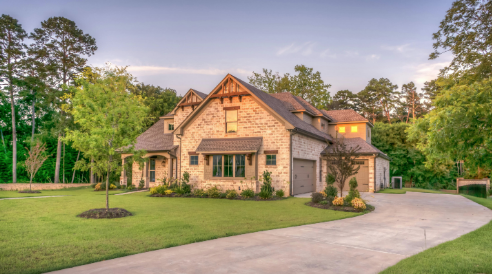
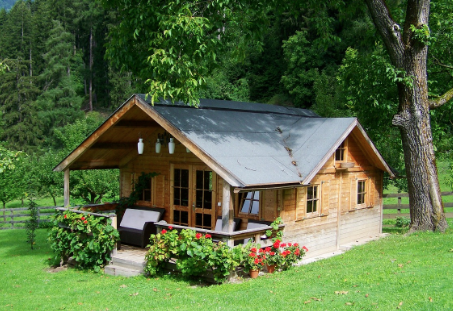
When envisioning my dream house, I see a charming villa nestled in the countryside, surrounded by lush greenery and vibrant flowers and gardens. Its spacious open-concept design features large windows that invite plenty of natural light, creating a warm and inviting atmosphere. The modern kitchen is equipped with state-of-the-art appliances, perfect for experimenting with new recipes, while the cozy living room boasts a fireplace and a library filled with books and treasures from around the world. The master bedroom offers a breathtaking view of the landscape, and outside, a tranquil garden with a pergola provides the perfect spot for outdoor relaxation by the pool.

When searching for your dream house, enlisting the help of a reputable realtor, like me, can significantly ease the process. Realtors are skilled professionals who can navigate the complexities of the property market, understand your specific needs and desires, and identify suitable options for you. Their expertise in property valuation, negotiation, and legal processes can streamline the search for your ideal home. Whether you envision a charming countryside villa, a modern urban apartment, or any other type of residence, a competent realtor can be an invaluable asset in turning your dream home into a reality.

When finding your dream home, people have a variety of needs and wants that influence their decision. Some common considerations include:

Needs:

  • Location: Proximity to work, schools, amenities, and public transportation.
  • Safety: A secure neighborhood with low crime rates and good lighting.
  • Space: Sufficient bedrooms, bathrooms, storage, and living areas for the household’s needs.
  • Affordability: Within the budget and manageable in terms of mortgage or rent payments.
  • Accessibility: Features that accommodate any specific mobility needs, such as ramps or elevators.

Wants:

  • Aesthetics: Attractive architecture, design, and curb appeal.
  • Outdoor Space: Private yard, garden, balcony, or access to communal outdoor areas.
  • Amenities: Modern appliances, specific features like a fireplace or a pool, and smart home technology.
  • Community: Proximity to social and recreational facilities, and a sense of community spirit.
  • Resale Value: Consideration of potential property value appreciation over time.

Understanding the balance between these needs and wants can help individuals and families find a home that meets both their practical requirements and their desired lifestyle.

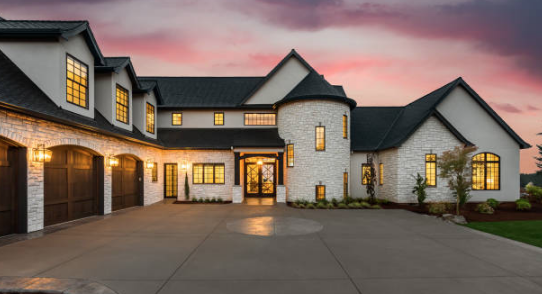
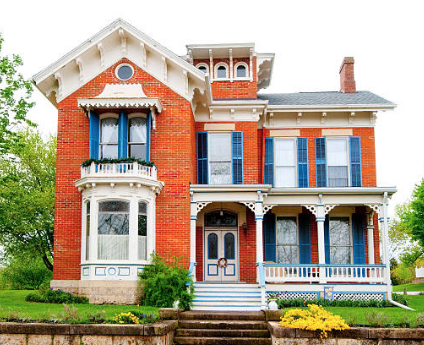
When it comes to finding the perfect home, people have diverse preferences and desires regarding the type of property they envision. Whether it’s a charming countryside villa, a modern urban apartment, or any other type of residence, understanding these individual preferences is crucial in the search for the ideal home. Additionally, various property types, such as single-family homes, apartments, condos, townhouses, villas, and more, cater to different lifestyle needs and aspirations. It’s important to consider these diverse perspectives and explore the wide range of housing options available to find the perfect fit.

  • Single-family home: A standalone house designed for a single household, offering privacy and space.
  • Apartment: A self-contained living space within a larger building, often with shared amenities.
  • Condo: Similar to an apartment, but the individual units are owned rather than rented.
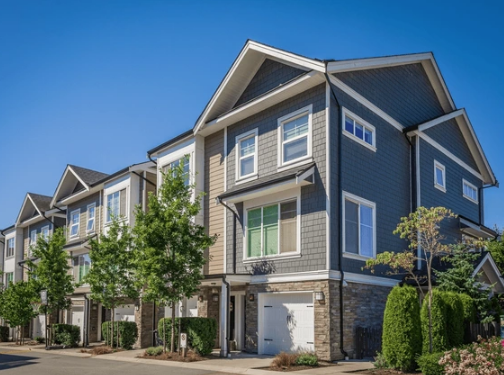
  • Townhouse: A narrow, multilevel home joined with other units in a row.
  • Villa: Often a luxurious, standalone structure with spacious grounds, commonly associated with a rural or holiday setting.
  • Duplex: A house divided into two separate living units.
  • Cottage: A small, cozy house, typically in a rural or semi-rural setting.
  • Mansion: A large, impressive residence, often associated with wealth and luxury.
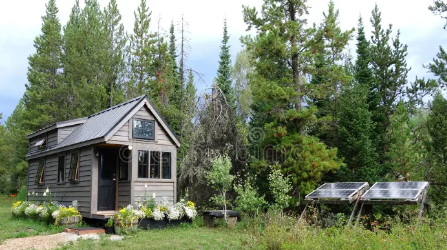
  • Tiny house: A compact dwelling, typically on wheels, designed to minimize living space and focus on simple living.
  • Ranch house: A single-story home, often with a flowing layout and a connection to the outdoors.
  • Bungalow: A small, one- or one-and-a-half story house, often with a spacious front porch.
  • Castle: A large, fortified building, often with historical and architectural significance.

When it comes to finding your dream home, envisioning the perfect type of house is just the beginning. Whether it’s a cozy cottage nestled in the countryside, a sleek and modern urban loft, a spacious suburban home, or any other style, I’m here to help guide you through the process. With the right approach and expertise, we can work together to turn your dream of a perfect house into a reality. Let’s start this exciting journey and find the ideal home that suits your unique vision and lifestyle.

Here are some helpful tools to get you started on your Dream House Search!